
Vinyl Stickers in Dubai: Materials, Durability & Choosing the Right Type
Vinyl is usually the better sticker material when moisture, regular handling or outdoor exposure matters, but not every vinyl, adhesive or finish behaves the same way. This guide explains the practical differences so you can choose a sticker that suits the surface, environment and job rather than simply choosing the most expensive option.
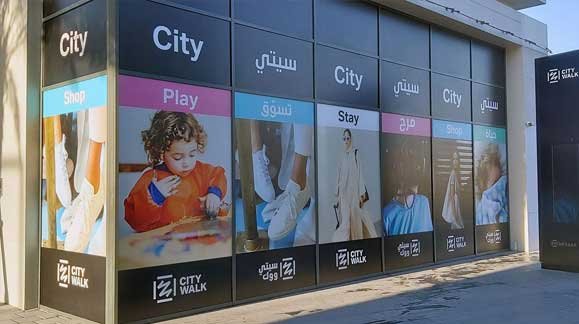
Choose vinyl when the sticker may face moisture, cleaning, outdoor exposure, regular handling or a longer working life. Paper can still be perfectly suitable for short-term indoor labels, dry packaging and temporary applications where durability is not the main priority.
Vinyl vs paper stickers: which one makes more sense?
The material choice should start with where the sticker will be used. A paper label on a dry product carton has a very different job from a sticker placed on a shop window, delivery box or outdoor sign.
Vinyl is a synthetic material that generally handles moisture and physical wear better than paper. Paper is usually easier to justify when the application is temporary, indoors and protected from water or frequent cleaning.
| Requirement | Vinyl | Paper |
|---|---|---|
| Indoor packaging | Good | Good |
| Outdoor exposure | Better choice | Usually limited |
| Moisture contact | Better choice | Limited |
| Temporary indoor labels | Works | Often sufficient |
| Clear sticker look | Available | Usually not |
| Longer-term application | Better suited | Usually shorter-term |
Don’t choose vinyl only because it sounds “premium”. Start with the application. If the label is going on dry indoor packaging for a short campaign, paper may be enough. If it will face sun, handling, water or cleaning, vinyl is usually the safer direction.
Which type of vinyl sticker should you choose?
“Vinyl sticker” is a broad term. The face material, adhesive and finish can all change depending on what you need the sticker to do.
A practical all-round option for logos, product labels, equipment, packaging and general business branding.
Useful when you want the background surface to remain visible, especially on glass, bottles and transparent packaging.
Better suited to longer-term applications where the sticker is not expected to be removed regularly.
Useful for temporary promotions, seasonal graphics and applications where easier removal is important.
Can help on more difficult surfaces, but the exact adhesive should be chosen after considering the surface condition and texture.
A laminate can add another protective layer where the sticker may face more handling, abrasion or outdoor exposure.
What actually affects vinyl sticker durability in Dubai?
Outdoor durability is not determined by one number. The same sticker material can behave very differently depending on the surface, amount of direct sun, cleaning routine, adhesive and installation.
Direct sunlight and UV exposure
A sticker installed inside an office window is exposed to very different conditions from one applied to a vehicle or an outdoor panel. Strong sunlight can affect printed colour and adhesive performance over time, so the material and finish should match the exposure level.
Heat and surface temperature
In Dubai, metal, glass and vehicle surfaces can become significantly hotter than the surrounding air. That matters because the adhesive is bonding to the surface, not to the air around it. Higher heat exposure should be considered when selecting the vinyl and adhesive.
Cleaning, dust and handling
A sticker on a bottle, counter, machine or shopfront may be wiped or handled regularly. Frequent friction and cleaning can shorten the useful life of the printed surface, which is one reason lamination may be considered for demanding applications.
Installation quality
Even a good material can fail if it is applied to a dusty, oily or unsuitable surface. Correct surface preparation and installation are just as important as the sticker material itself.
Matte, gloss or clear: which finish should you pick?
Useful where stronger colour contrast and a more reflective finish suit the branding or retail environment.
Lower glare and a more understated appearance. Often suitable for corporate, office and premium visual applications.
Good for glass, bottles and transparent packaging where you want the surface behind the sticker to remain visible.
Can add protection where the printed face is likely to receive more handling, cleaning or outdoor exposure.
The “best” finish depends more on the location than on appearance alone. A high-gloss finish that looks strong on product packaging may be less comfortable to read on a glass surface with heavy glare.
Not sure which vinyl type fits your application?
Send J Designo a photo of the surface, the approximate size and where the sticker will be used.
Die-cut vs kiss-cut stickers
The difference is mainly in how the sticker is cut and presented. Both can use vinyl; the choice depends on how the sticker will be handled, distributed or applied.
| Option | Best for | Practical difference |
|---|---|---|
| Die-cut | Giveaways, individual branding stickers, retail packs | The sticker and backing are cut around the final shape. |
| Kiss-cut | Sticker sheets, easier peeling, multiple designs | The vinyl is cut while the larger backing sheet remains intact. |
Choosing the right adhesive matters as much as the vinyl
Customers often focus on the printed face and forget the adhesive. In practice, the adhesive has to suit the surface and the expected removal conditions.
Suitable when the sticker is intended to stay in place for a longer period.
Better for temporary promotions, seasonal graphics or applications where easier removal matters.
May be needed on more difficult or lower-energy surfaces, depending on the specific material.
Recommended when the surface is textured, freshly painted, unusual or especially important.
Glass, painted walls, plastics, metal, powder-coated surfaces and textured panels can all behave differently. If the surface is unusual, share a photo or material description before production.
What artwork should you send for vinyl sticker printing?
Good production starts with clean artwork. A printer can often help prepare files, but supplying the right format reduces delays and avoids avoidable changes.
RGB artwork can appear differently when printed because screens and print use different colour systems. If colour accuracy matters, tell the printer before production rather than relying on what you see on a phone or laptop screen.
Before ordering, tell your printer these 6 things
- Sticker size — width and height, or the final cut dimensions.
- Quantity — even an approximate quantity helps determine the production method.
- Indoor or outdoor use — this affects material and finish recommendations.
- Application surface — glass, plastic, metal, painted wall, packaging or another surface.
- Finish — matte, gloss, clear or another required appearance.
- Deadline — especially if the stickers are for an event, launch or installation date.
A photo of the application area and your artwork file can make the recommendation more accurate, especially for larger or unusual jobs.
Ready with your size and quantity?
Use the quote page to send the project details, artwork and required deadline.
Common vinyl sticker mistakes to avoid
- Choosing the material before considering the surface. The same sticker will not behave the same way on glass, plastic and a textured wall.
- Using permanent adhesive for a temporary campaign. Removal expectations should be discussed before production.
- Sending screenshots instead of usable artwork. A screenshot may look fine on screen but still produce poor print edges.
- Making text too small. Tiny text can become difficult to print, cut or read once the sticker is reduced to final size.
- Ignoring glare. Gloss can look excellent in one location and become difficult to read in another.
- Skipping surface preparation. Dust, grease and cleaning residue can affect adhesion.
- Assuming all vinyl is the same. Material grade, adhesive and finish should match the actual application.